
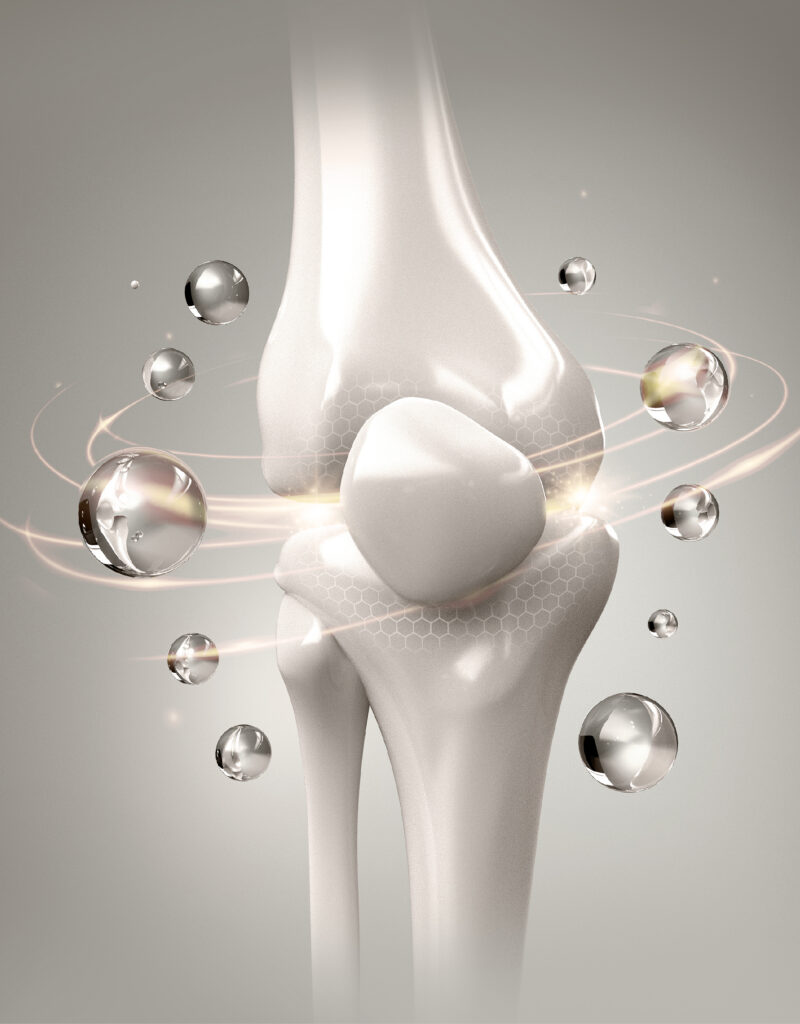
Calcium is one of the most essential minerals in the body — not just for strong bones and teeth, but also for muscle function, nerve transmission, and blood clotting.
Yet, many people don’t get enough calcium daily, leading to weak bones or even osteoporosis later in life.
Here’s a quick look at who needs calcium the most and why.
Growing Children and Teenagers
- Why important: Peak bone-building years; up to 90% of bone mass forms by 18–20 years1.
- Deficiency effect: Poor bone growth, stunted height, risk of fractures 2.
Pregnant and Lactating Women
- Why important: Needed for baby’s bone, teeth, and nerve development.
- If deficient: Mother’s bones lose calcium, causing weakness and bone pain.
- Intake: 1000–1200 mg/day.
Postmenopausal Women
- Why important: Estrogen levels drop after menopause → bone loss risk6.
- If deficient: Osteoporosis and fractures (hip, spine, wrist)7.
- Tip: Combine calcium with vitamin D and weight-bearing exercises (walking, yoga).
Older Adults (Above 50 Years)
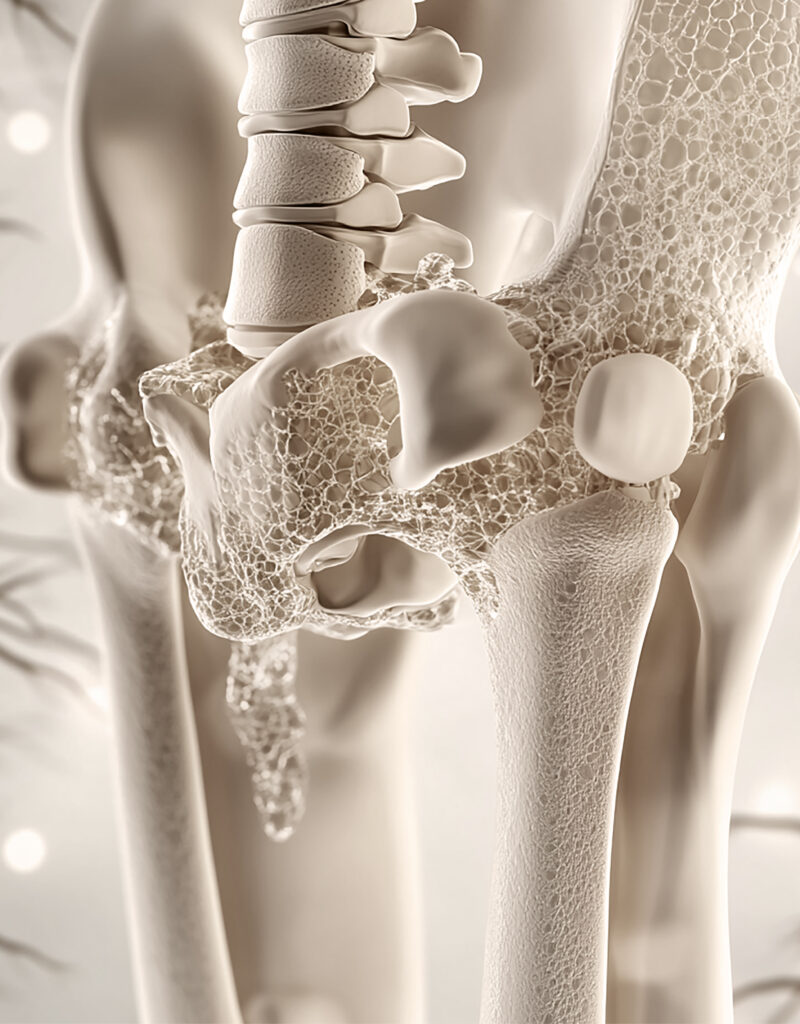
Why important: Reduced calcium absorption and dietary intake with age8.
If deficient: Fragile bones and increased fracture risk9.
Solution: Calcium-rich foods + sunlight for vitamin D to improve absorption.
People with Lactose Intolerance or Dairy-Free Diets

Why important: Dairy is the top calcium source; avoiding it leads to deficiency10.
Alternatives: Fortified plant milk, soy, ragi, sesame seeds, kale, almonds 11.
tip: Consider calcium supplements if dietary intake is low.
Athletes and Fitness Enthusiasts
- Why important: Calcium aids in muscle contraction and nerve function 12.
- If deficient: Muscle cramps, fatigue, stress fractures 13.
- Tip: Maintain balanced intake to support bone strength and recovery.
Individuals on Certain Medications or with Health Conditions
- Risk factors: Corticosteroids, antacids with aluminum, epilepsy drugs 14–16.
- Conditions affecting calcium: Celiac disease, kidney disorders, thyroid imbalance 17,18.
- Advice: Regular checkups and diet adjustments under medical guidance.
Women with Irregular Menstrual Cycles or eating disorders
- Why important: Low estrogen levels reduce bone density.
- If deficient: Early onset of bone thinning or osteoporosis.
Tip: Ensure proper calcium and vitamin D intake for long-term bone health.
Reference
- Abrams, S. A. Normal Acquisition and Loss of Bone Mass. Horm Res Paediatr 60, 71–76 (2003).
- Golden, N. H. et al. Optimizing Bone Health in Children and Adolescents. Pediatrics 134, e1229–e1243 (2014).
- Farias, P. M. et al. Minerals in Pregnancy and Their Impact on Child Growth and Development. Molecules 25, 5630 (2020).
- Kovacs, C. S. & Fuleihan, G. E.-H. Calcium and Bone Disorders During Pregnancy and Lactation. Endocrinol Metab Clin North Am 35, 21–51 (2006).
- Jouanne, M., Oddoux, S., Noël, A. & Voisin-Chiret, A. S. Nutrient Requirements during Pregnancy and Lactation. Nutrients 13, 692 (2021).
- RECKER, R. R., SAVILLE, P. D. & HEANEY, R. P. Effect of Estrogens and Calcium Carbonate on Bone Loss in Postmenopausal Women. Ann Intern Med 87, 649–655 (1977).
- Bjelica, A., Vucaj-Cirilovic, V., Tomasevic-Todorovic, S. & Filipovic, K. Postmenopausal osteoporosis. Med Pregl 71, 201–205 (2018).
- Ramsubeik, K., Keuler, N. S., Davis, L. A. & Hansen, K. E. Factors Associated with Calcium Absorption in Postmenopausal Women: A Post Hoc Analysis of Dual-Isotope Studies. J Acad Nutr Diet 114, 761–767 (2014).
- Bone fractures after menopause. Hum Reprod Update 16, 761–773 (2010).
- Tunick, M. H. Calcium in Dairy Products. J Dairy Sci 70, 2429–2438 (1987).
- Scholz-Ahrens, K. E., Ahrens, F. & Barth, C. A. Nutritional and health attributes of milk and milk imitations. Eur J Nutr 59, 19–34 (2020).
- Berchtold, M. W., Brinkmeier, H. & Müntener, M. Calcium Ion in Skeletal Muscle: Its Crucial Role for Muscle Function, Plasticity, and Disease. Physiol Rev 80, 1215–1265 (2000).
- Knechtle, B., Jastrzębski, Z., Hill, L. & Nikolaidis, P. T. Vitamin D and Stress Fractures in Sport: Preventive and Therapeutic Measures—A Narrative Review. Medicina (B Aires) 57, 223 (2021).
- Verrotti, A., Coppola, G., Parisi, P., Mohn, A. & Chiarelli, F. Bone and calcium metabolism and antiepileptic drugs. Clin Neurol Neurosurg 112, 1–10 (2010).
- Spencer, H. Antacid-Induced Calcium Loss. Arch Intern Med 143, 657 (1983).
- Morris, H. A. et al. Malabsorption of calcium in corticosteroid-induced osteoporosis. Calcif Tissue Int 46, 305–308 (1990).
- Yadav, S., Yadav, J., Kumar, S. & Singh, P. Metabolism of Macro-elements (Calcium, Magnesium, Sodium, Potassium, Chloride and Phosphorus) and Associated Disorders. in Clinical Applications of Biomolecules in Disease Diagnosis 177–203 (Springer Nature Singapore, Singapore, 2024). doi:10.1007/978-981-97-4723-8_8.
- Bianchi, M. L. Inflammatory bowel diseases, celiac disease, and bone. Arch Biochem Biophys 503, 54–65 (2010).