
Calcium is one of the most essential minerals in the human body — known as the building block of strong bones and teeth. But beyond bones, calcium also plays a critical role in muscle function, nerve signaling, blood clotting, and maintaining a steady heartbeat.
So, when your body doesn’t get enough calcium, it starts sending subtle warning signals.
Unfortunately, these signs are often ignored until the deficiency becomes severe.
Let’s decode the early and advanced signs of calcium deficiency (hypocalcemia) and understand how to manage it.
Frequent Muscle Cramps and Spasms
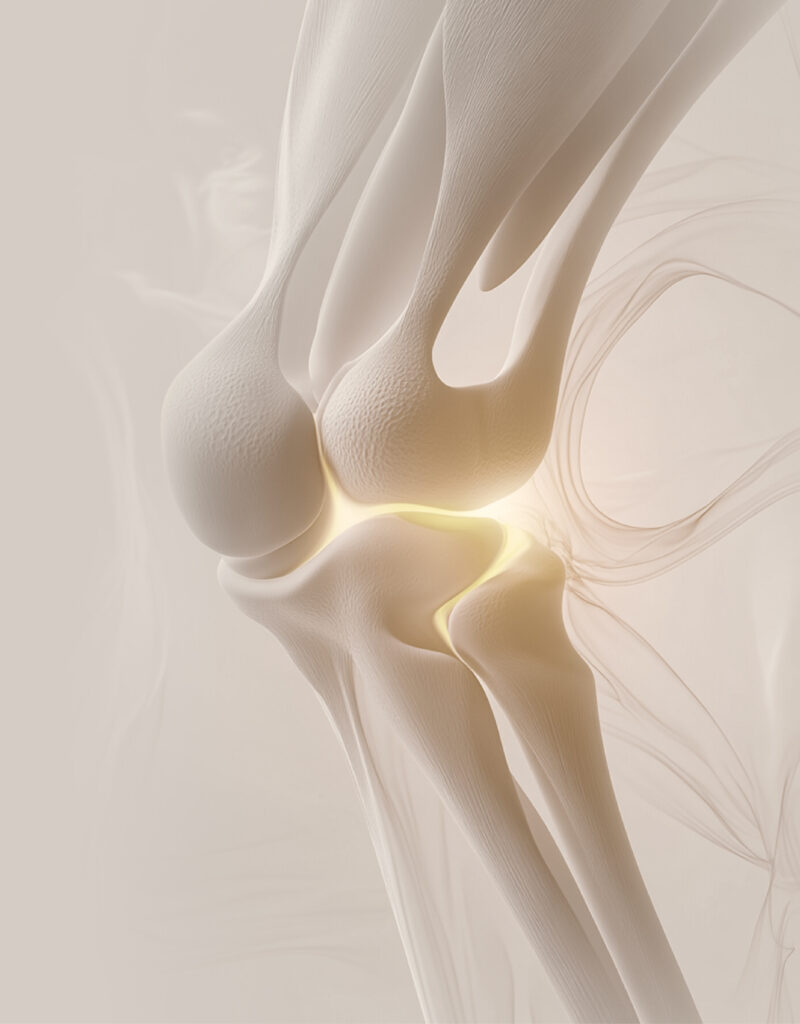
If you’re often waking up at night with painful leg cramps or experience muscle stiffness after mild activity, your calcium levels might be low.
Calcium helps muscles contract and relax properly — deficiency can cause involuntary twitching, tingling, or even numbness, especially in the hands, face, or legs.
Tooth Decay and Gum Problems
Since most of your body’s calcium is stored in bones and teeth, low calcium directly affects oral health.
You may notice tooth decay, gum irritation, or increased tooth sensitivity. Over time, it can also contribute to early tooth loss.
Fatigue and Weakness
Calcium is vital for the release of energy from cells.
Deficiency can lead to chronic tiredness, weakness, and low concentration levels, even if you’re eating well and sleeping enough.
Numbness and Tingling Sensation
A classic symptom of low calcium is a tingling or “pins and needles” feeling in the lips, tongue, fingers, or toes. This happens because calcium imbalance affects nerve signaling.
Dry Skin and Hair Loss
Calcium supports skin cell renewal and hair follicle activity. Deficiency may result in dry, itchy skin and hair thinning. In severe cases, it may worsen conditions like eczema or psoriasis.
Mood Swings and Irritability
Did you know calcium also influences mood?
It helps regulate neurotransmitters — the brain chemicals responsible for calmness and focus. Low calcium levels can cause anxiety, depression, or irritability.
Osteopenia or Osteoporosis (Long-term Sign)

Chronic calcium deficiency can lead to bone loss, resulting in osteopenia (mild bone thinning) and later osteoporosis (severe bone fragility).
This significantly increases the risk of fractures, especially in older adults and postmenopausal women.
Who is at Higher Risk?
- Postmenopausal women
- People with lactose intolerance or dairy allergies
- Vegans (if diet lacks calcium-rich alternatives)
- Individuals with vitamin D deficiency
- People on long-term corticosteroid use
Final Thoughts

Calcium deficiency develops slowly but can have lasting effects on your body.
Recognizing early signs and making small dietary or lifestyle changes can protect you from future complications like osteoporosis, tooth loss, or nerve dysfunction.
So, listen to your body — those cramps or brittle nails might be telling you it’s time to boost your calcium!
References
- Parisi, L. et al. Muscular cramps: proposals for a new classification. Acta Neurol Scand 107, 176–186 (2003).
- Nishida, M. et al. Calcium and the Risk For Periodontal Disease. J Periodontol 71, 1057–1066 (2000).
- Allen, D. G., Lamb, G. D. & Westerblad, H. Impaired calcium release during fatigue. J Appl Physiol 104, 296–305 (2008).
- Radwan, S. S., Hamo, K. M. & Zayed, A. A. A 67-year-old woman with bilateral hand numbness. Cleve Clin J Med 85, 200–208 (2018).
- Mady, L. J. et al. The Transient Role for Calcium and Vitamin D during the Developmental Hair Follicle Cycle. Journal of Investigative Dermatology 136, 1337–1345 (2016).
- Alkhatatbeh, M. J., Khwaileh, H. N. & Abdul-Razzak, K. K. High prevalence of low dairy calcium intake and association with insomnia, anxiety, depression and musculoskeletal pain in university students from Jordan. Public Health Nutr 24, 1778–1786 (2021).
- HEANEY, R. P. Calcium in the prevention and treatment of osteoporosis. J Intern Med 231, 169–180 (1992).