
Importance of Calcium
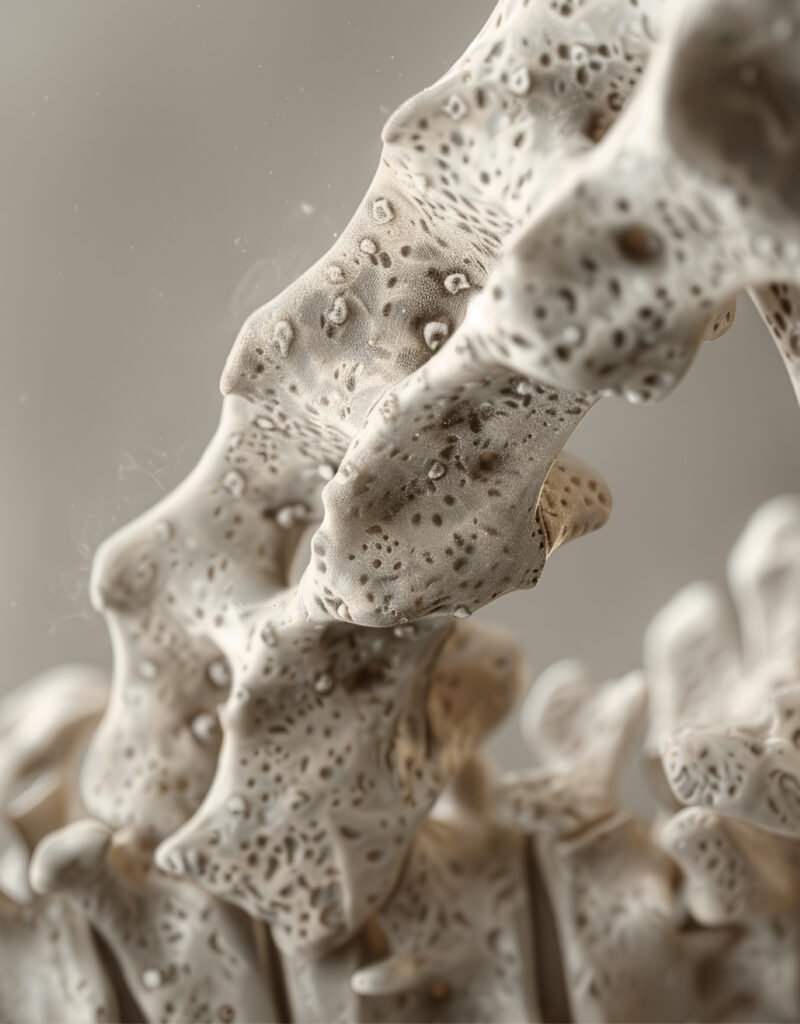
- Essential for building strong bones and teeth in both mother and baby.
- Supports heart, muscle, and nerve function.
- Prevents bone loss and weakness in mothers.
During Pregnancy
- Baby’s bones and teeth develop using calcium from the mother1.
- A full-term baby accumulates 25–30 g of calcium, mostly during the third trimester3.
- To meet this demand, the mother’s calcium absorption doubles during pregnancy3.
- If dietary intake is low, the mother’s bones release calcium to meet the baby’s needs2.
- Daily requirement: 1000–1300 mg/day4.
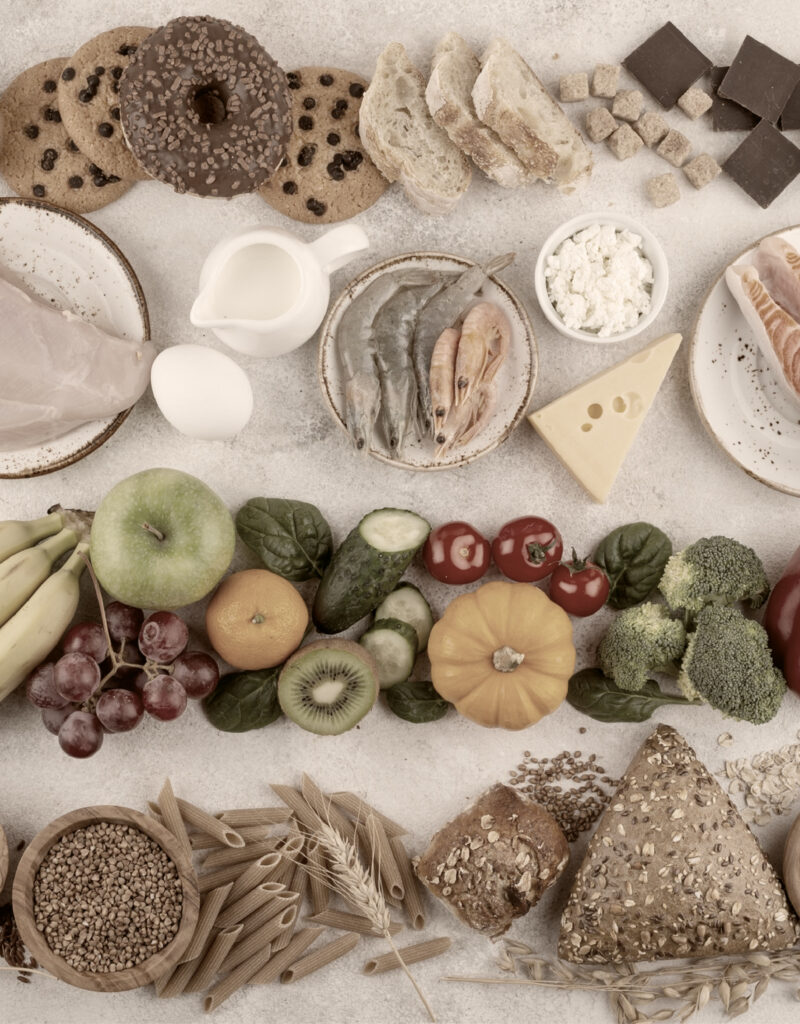
Milk, yogurt, cheese, tofu, ragi, sesame seeds, almonds, broccoli, spinach, and fortified plant milk.
During Lactation (Breastfeeding)
- Calcium passes into breast milk to help the baby’s bone and tooth growth.
- Mothers can lose up to 3–5% of bone mass during breastfeeding — usually regained after weaning if calcium intake is adequate.
- Ensures proper muscle and heart function in the newborn.
- Helps in hormonal regulation of lactation (via parathyroid hormone and vitamin D balance.
Nutrients that Help Calcium Work Better
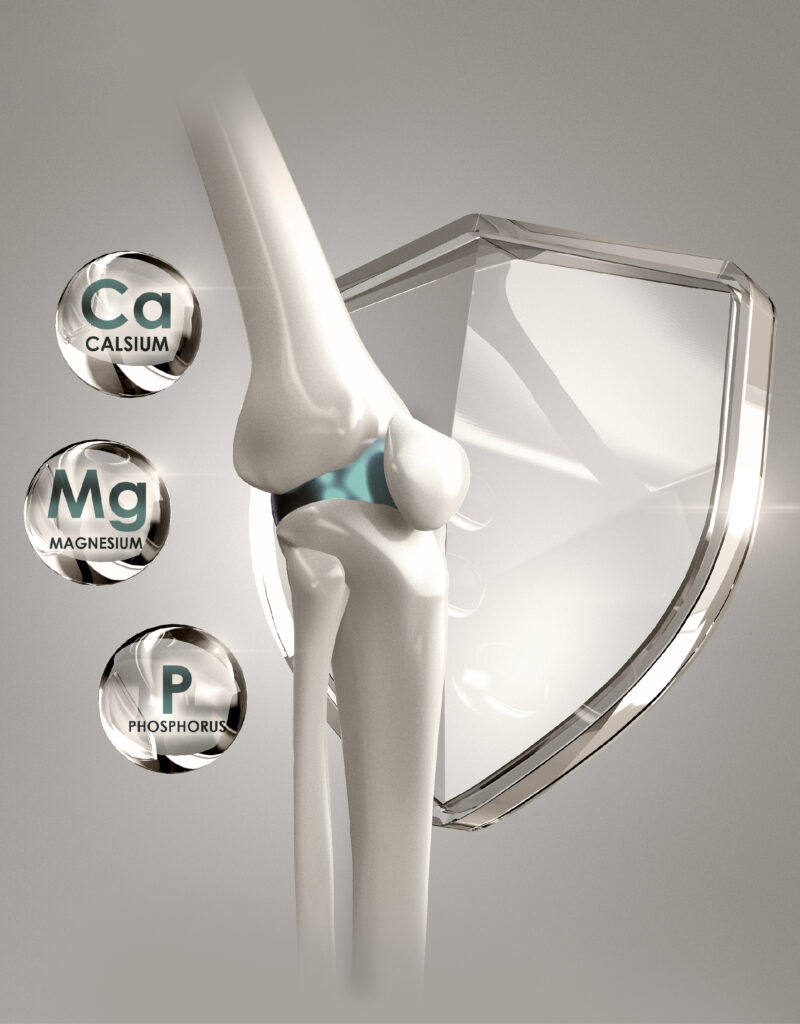
Vitamin D: Improves calcium absorption (get sunlight or fortified foods).
Magnesium & Phosphorus: Support bone health.
Limit caffeine & soft drinks: They hinder calcium absorption.
Supplements (If Needed)
Recommended when dietary intake is insufficient (e.g., vegan or lactose-intolerant women).
Always take supplements only under medical advice.
Key Takeaway
Calcium is vital for maternal and baby health.
A balanced diet + vitamin D + regular exercise = strong bones for both mother and child.
References
- Farias, P. M. et al. Minerals in Pregnancy and Their Impact on Child Growth and Development. Molecules 25, 5630 (2020).
- Brown, L. L., Cohen, B. E., Edwards, E., Gustin, C. E. & Noreen, Z. Physiological Need for Calcium, Iron, and Folic Acid for Women of Various Subpopulations During Pregnancy and Beyond. J Womens Health 30, 207–211 (2021).
- Gak, N., Abbara, A., Dhillo, W. S., Keen, R. & Comninos, A. N. Current and future perspectives on pregnancy and lactation-associated osteoporosis. Front Endocrinol (Lausanne) 15, (2024).
- Gomes, F. et al. Calcium supplementation for the prevention of hypertensive disorders of pregnancy: current evidence and programmatic considerations. Ann N Y Acad Sci 1510, 52–67 (2022).
- Prentice, A. Micronutrients and the Bone Mineral Content of the Mother, Fetus and Newborn. J Nutr 133, 1693S-1699S (2003).
- Wahlquist, A. E. et al. Factors Affecting Postpartum Bone Mineral Density in a Clinical Trial of Vitamin D Supplementation. J Womens Health 33, 887–900 (2024).
- Toverud, S. U. & Boass, A. Hormonal Control of Calcium Metabolism in Lactation. in 303–347 (1980). doi:10.1016/S0083-6729(08)61072-9.
- Kovacs, C. S. Calcium and Bone Metabolism During Pregnancy and Lactation. J Mammary Gland Biol Neoplasia 10, 105–118 (2005).
- Yadav, S., Yadav, J., Kumar, S. & Singh, P. Metabolism of Macro-elements (Calcium, Magnesium, Sodium, Potassium, Chloride and Phosphorus) and Associated Disorders. in Clinical Applications of Biomolecules in Disease Diagnosis 177–203 (Springer Nature Singapore, Singapore, 2024). doi:10.1007/978-981-97-4723-8_8.
- Mahadevan, S., Kumaravel, V. & Bharath, R. Calcium and bone disorders in pregnancy. Indian J Endocrinol Metab 16, 358 (2012).
- Bianchi, M. L. Inflammatory bowel diseases, celiac disease, and bone. Arch Biochem Biophys 503, 54–65 (2010).