
Calcium is one of the most essential minerals in the human body, best known for its role in building strong bones and teeth. However, many misconceptions surround calcium intake, supplements, and its true health benefits.
Let’s break down the most common myths and facts about calcium so you can make smarter choices for your health.
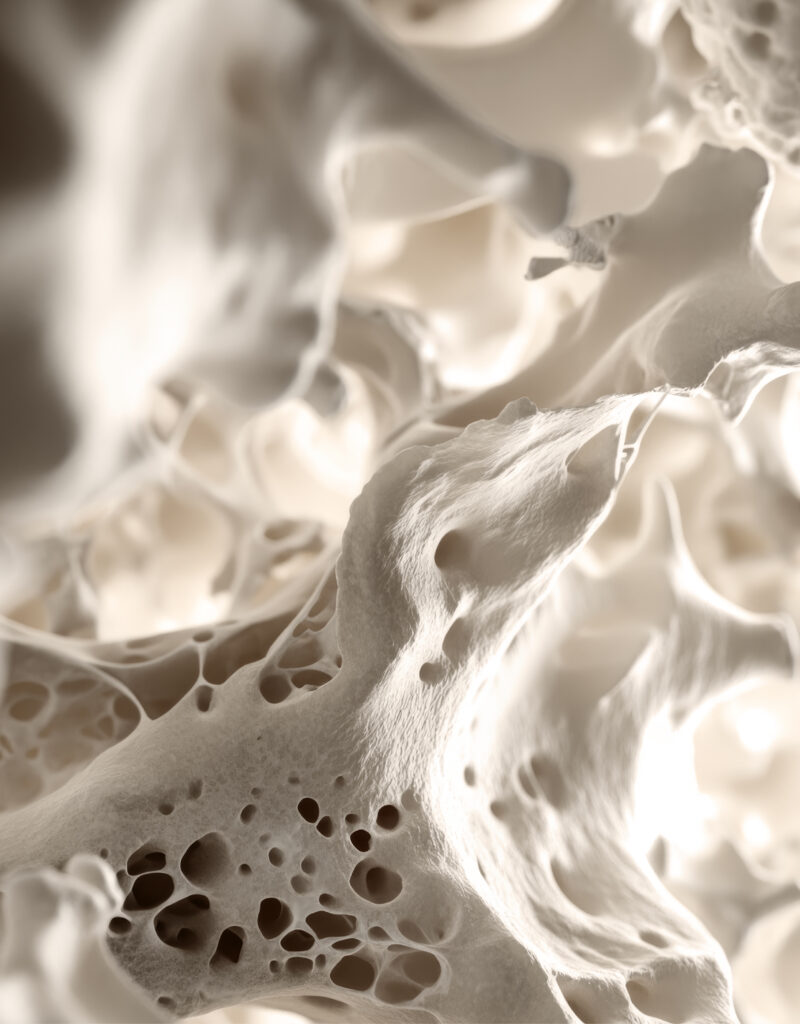
Myth 1: Calcium is Only Important for Bones
Fact:
While calcium is crucial for bone strength, it also plays many other roles in the body.
Calcium helps with:
- Muscle contraction
- Nerve signal transmission
- Blood clotting
- Heart rhythm regulation
- Hormone secretion
So, calcium is not just a “bone mineral”—it supports overall body function.
Myth 2: Drinking Milk is the Only Way to Get Calcium
Fact:
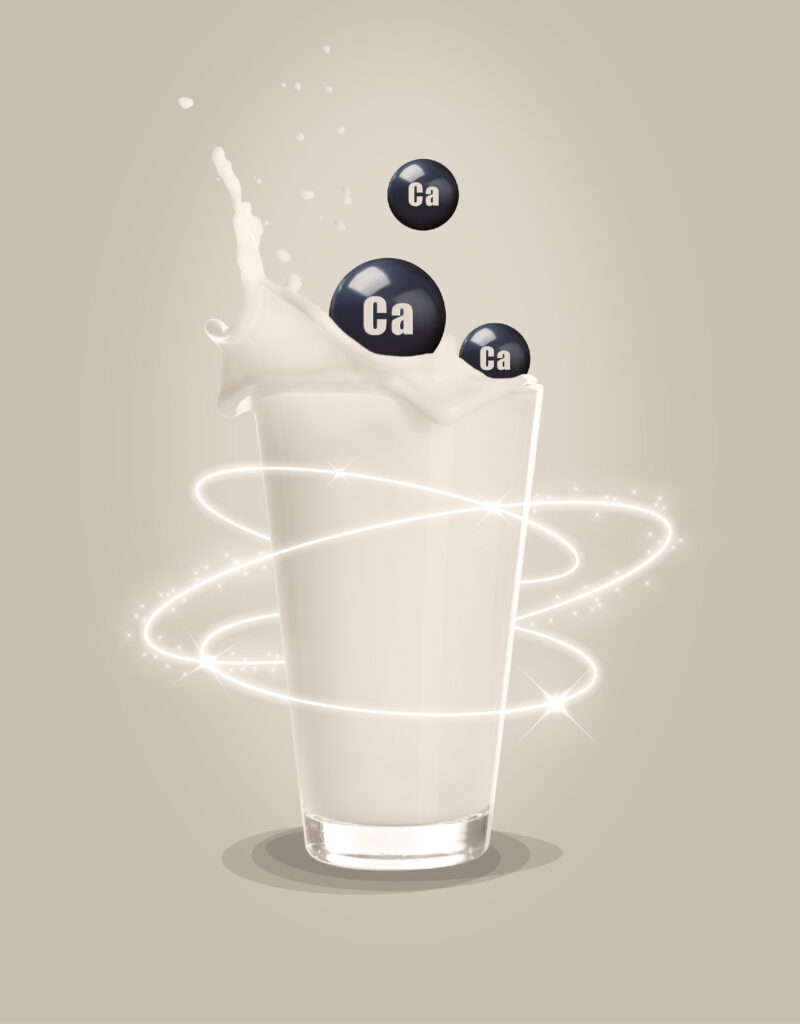
Milk is a good source, but it’s not the only one.
Many calcium-rich foods include2:
- Yogurt and cheese
- Leafy greens (spinach, kale, broccoli)
- Almonds
- Sesame seeds
- Tofu
- Fortified foods (plant milk, cereals, juices)
People who are lactose intolerant or vegan can still meet their calcium needs through other sources.
Myth 3: More Calcium Means Stronger Bones
Fact:
Too much calcium does not necessarily improve bone health and may even cause harm.
Excess calcium intake, especially from supplements, may increase the risk of:
- Kidney stones
- Constipation
- Calcium buildup in arteries (in some cases)5
Balanced intake is key.
Myth 4: Calcium Supplements Are Always Necessary
Fact:
Most people can meet calcium requirements through diet alone.
Supplements may be recommended only when:
- Dietary intake is insufficient
- There is osteoporosis risk
- Certain medical conditions reduce absorption
Always consult a healthcare provider before starting supplements.
Myth 5: Calcium Alone Prevents Osteoporosis
Fact:
Calcium is important, but it works best with other nutrients and lifestyle factors.
For healthy bones, you also need:
- Vitamin D (for calcium absorption)
- Magnesium and phosphorus
- Regular weight-bearing exercise
- Hormonal balance (especially in postmenopausal women)
Bone health is a combination of nutrition and lifestyle.
Myth 6: Only Older Adults Need Calcium
Fact:
Calcium is important throughout life.
- Children and teens need calcium for bone development
- Adults need it to maintain bone density
- Older adults need it to prevent bone loss
Peak bone mass is built before age 30, so early intake matters.
Myth 7: Calcium Causes Weight Gain
Fact:
Calcium itself does not cause weight gain.
Some studies even suggest adequate calcium intake may support healthy metabolism. Weight gain is more related to overall calorie intake and lifestyle.

Myth 8: Calcium Deficiency Happens Only in Poor Diets
Fact:
Even people with seemingly healthy diets may have low calcium intake due to:
- Low dairy consumption
- Vitamin D deficiency
- Poor absorption disorders
- High caffeine or sodium intake (increases calcium loss)
Deficiency can affect both bone and muscle health.
Signs of Calcium Deficiency
Low calcium levels may cause:
- Muscle cramps
- Tingling in fingers
- Weak or brittle nails
- Frequent fractures
- Osteopenia or osteoporosis
Early detection is important.
Conclusion
Calcium is essential for more than just bones, but misinformation can lead to either deficiency or overuse. The best approach is to get calcium from a balanced diet, ensure adequate vitamin D, and maintain a healthy lifestyle.
Understanding the myths and facts helps you take better care of your bones and overall well-being.
Refrence
Pravina, P., Sayaji, D., & Avinash, M. (2013). Calcium and its role in human body. International Journal of Research in Pharmaceutical and Biomedical Sciences, 4(2), 659-668.
NHS. (2024, April 25). Food for healthy bones. https://www.nhs.uk/live-well/bone-health/food-for-strong-bones/
Peerapen, P., & Thongboonkerd, V. (2023). Kidney stone prevention. Advances in Nutrition, 14(3), 555.
Lipski, L. Why Do Calcium Supplements Cause Constipation?.
Weaver, J. (2013). Insights into how calcium forms plaques in arteries pave the way for new treatments for heart disease. PLoS biology, 11(4), e1001533.
Hardwick, L. L., Jones, M. R., Brautbar, N., & Lee, D. B. (1991). Magnesium absorption: mechanisms and the influence of vitamin D, calcium and phosphate. The Journal of nutrition, 121(1), 13-23.
Ward, K. A., Roberts, S. A., Adams, J. E., Lanham-New, S., & Mughal, M. Z. (2007). Calcium supplementation and weight bearing physical activity—do they have a combined effect on the bone density of pre-pubertal children?. Bone, 41(4), 496-504.
Bhattarai, H. K., Shrestha, S., Rokka, K., & Shakya, R. (2020). Vitamin D, calcium, parathyroid hormone, and sex steroids in bone health and effects of aging. Journal of osteoporosis, 2020(1), 9324505.
Zemel, B. S. (2012). Calcium and bone metabolism: Part I — Calcium metabolism and skeletal health. Clinical Biochemistry, 45(12), 943–954.
Davies, K. M., Heaney, R. P., Recker, R. R., Lappe, J. M., Barger-Lux, M. J., Rafferty, K., & Hinders, S. (2000). Calcium intake and body weight. The Journal of Clinical Endocrinology & Metabolism, 85(12), 4635-4638.
Ross, A. C. (2011). Dietary Reference Intakes for Calcium and Vitamin D. National Academies Press.
Fong, J. Y., et al. (2012). Hypocalcemia: Updates in diagnosis and management. Journal of Clinical & Diagnostic Research, 6(7), 1247–1251