
Kidney stones are a common and painful health problem that affects millions of people worldwide. If you or someone you know has experienced kidney stones, you’ve probably heard the advice: “Avoid calcium.”
But is calcium really the main cause of kidney stones? The relationship between calcium and kidney stones is actually more complex than most people think.
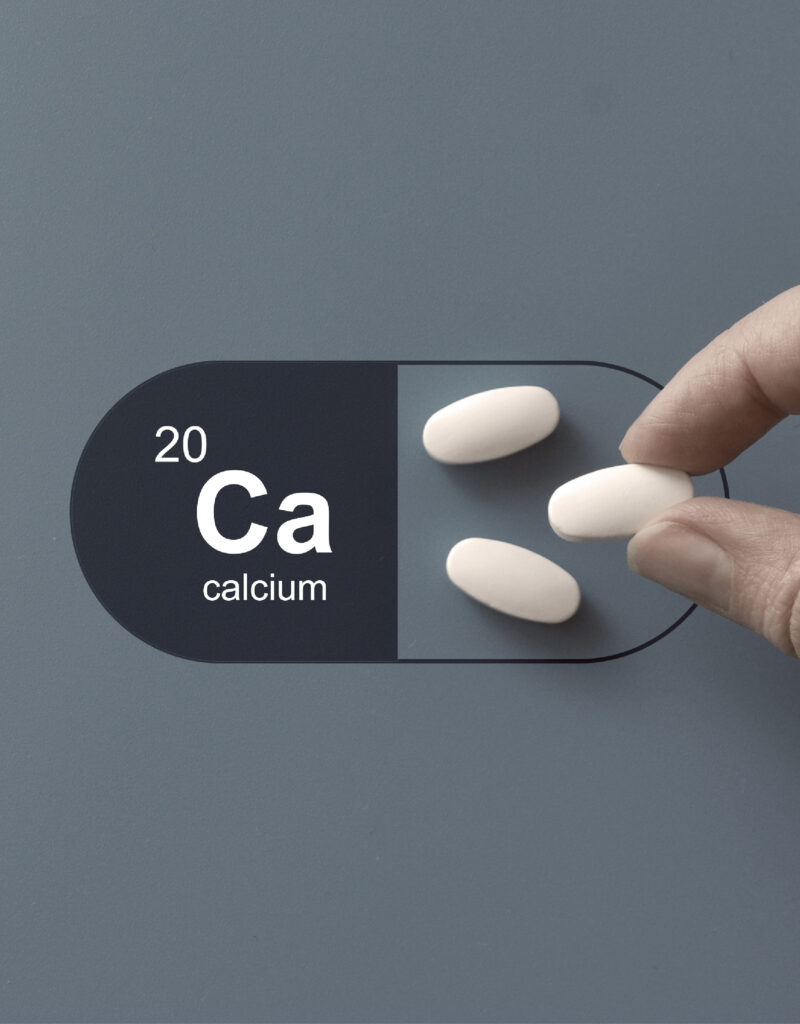
What Are Kidney Stones?
Kidney stones are hard mineral deposits that form in the kidneys when certain substances in urine become too concentrated. Over time, these minerals can crystallize and stick together, forming stones.
The most common types include:
- Calcium oxalate stones (most frequent)
- Calcium phosphate stones
- Uric acid stones
- Struvite stones
- Cystine stones
Interestingly, about 70–80% of kidney stones contain calcium, which is why calcium often gets blamed.
Does Calcium Cause Kidney Stones?
Not necessarily!
Even though calcium is present in most kidney stones, dietary calcium is not usually the main problem.
In fact, research shows that adequate calcium intake may actually reduce the risk of kidney stones.
So why does calcium show up in stones?
Because stones form when calcium binds with other substances—especially oxalate—in the urine.
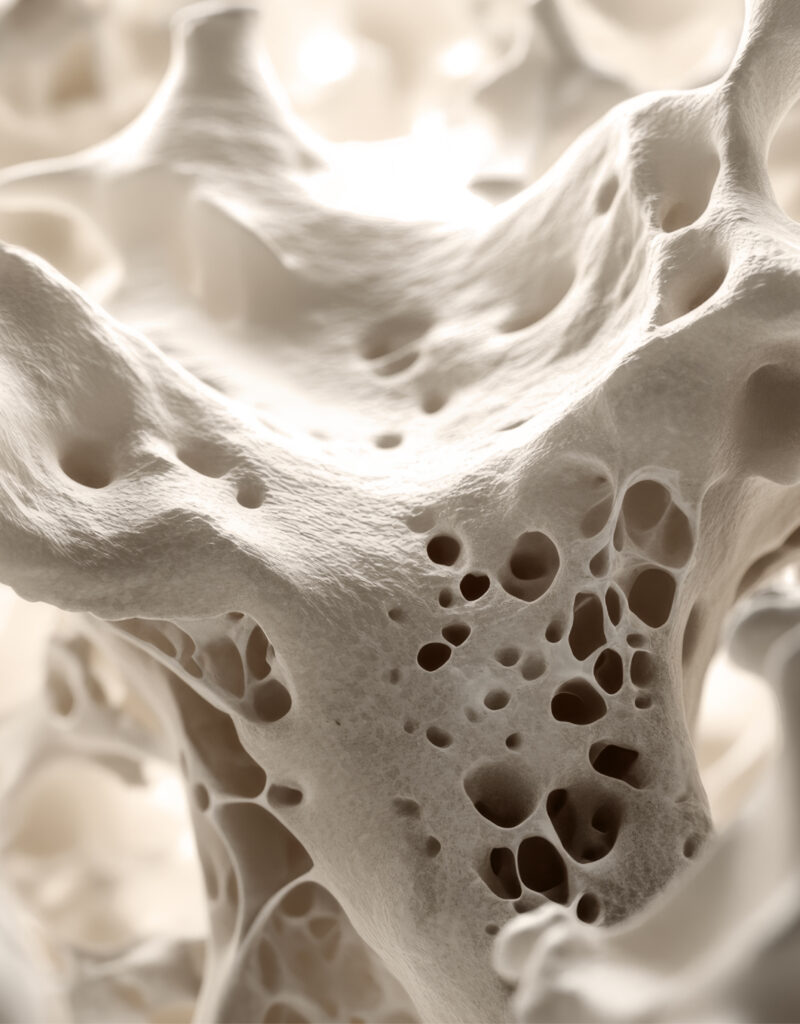
The Role of Oxalate
Oxalate is a natural compound found in many foods, such as:
- Spinach
- Beets
- Nuts
- Chocolate
- Tea
- Soy products
When oxalate levels are high, it can combine with calcium in urine, forming calcium oxalate crystals.
Here’s the key point:
Calcium in the diet binds oxalate in the gut, preventing it from reaching the kidneys.
So, low calcium intake may actually increase oxalate absorption and raise stone risk.
Dietary Calcium vs Calcium Supplements
Dietary Calcium (Food Sources)
Calcium from food is generally protective.
Good sources include:
- Milk
- Yogurt
- Cheese
- Leafy greens (low oxalate types)
- Fortified foods
People who consume enough calcium through meals often have a lower chance of developing stones.

Calcium Supplements
Calcium supplements can sometimes increase stone risk, especially if taken incorrectly.
Why?
- Supplements may raise calcium levels in urine
- If taken without food, calcium doesn’t bind oxalate effectively
Tip: If supplements are needed, they should be taken with meals, under medical guidance.
Other Factors That Increase Kidney Stone Risk
Calcium is only one piece of the puzzle. Other contributors include:
- Low daily water intake and dehydration
- Excess sweating, especially in hot climates
- Family history of kidney stones
- Overweight and obesity (high BMI)
- High sodium and processed food intake
- Excess sugar consumption
- High intake of coffee and tea
- Smoking and alcohol use
- Physical inactivity
- Stressful lifestyle
- Associated conditions: hypertension, diabetes, and urinary tract infections
How to Prevent Calcium Kidney Stones
Here are evidence-based strategies:
- Drink enough fluids to maintain dilute urine (aim for high urine output)
- Avoid dehydration, especially during hot weather
- Reduce dietary salt intake
- Limit animal protein consumption
- Cut down on excess sugar and processed foods
- Maintain a healthy body weight
- Engage in regular physical activity
- Limit coffee and tea intake
- Manage stress effectively
- Control diabetes and hypertension
The Bottom Line
The link between calcium and kidney stones is often misunderstood.
- Dietary calcium does not cause kidney stones
- In fact, it may help prevent them
- The real issue is excess oxalate, dehydration, high sodium, and improper supplement use
If you have recurrent kidney stones, it’s best to consult a healthcare provider for personalized dietary and medical advice.
Reference
CaOx, C. (2013). TYPES OF STONES. National Kidney Foundation Primer on Kidney Diseases E-Book, 405.
Curhan, G. C., Willett, W. C., Speizer, F. E., Spiegelman, D., & Stampfer, M. J. (1997). Comparison of dietary calcium with supplemental calcium and other nutrients as factors affecting the risk for kidney stones in women. Annals of internal medicine, 126(7), 497-504.
Bsc, S. N., & Bsc, G. S. (1999). Oxalate content of foods and its effect on humans. Asia Pacific journal of clinical nutrition, 8(1), 64-74.
Baker, M. J., & Longyhore, D. S. (2006). Dietary calcium, calcium supplements, and the risk of calcium oxalate kidney stones. American journal of health-system pharmacy, 63(8), 772-775.
Jaeger, P., & Robertson, W. G. (2004). Role of dietary intake and intestinal absorption of oxalate in calcium stone formation. Nephron Physiology, 98(2), p64-p71.
NHS. (2024, April 25). Food for healthy bones. https://www.nhs.uk/live-well/bone-health/food-for-strong-bones/
Heaney, R. P. (2008). Calcium supplementation and incident kidney stone risk: a systematic review. Journal of the American College of Nutrition, 27(5), 519-527.
Sofia, N. H., Walter, T. M., & Sanatorium, T. (2016). Prevalence and risk factors of kidney stone. Global Journal For Research Analysis, 5(3), 183-187.