
Calcium is an essential mineral required for multiple physiological functions in the body. While dietary sources remain the best way to meet daily requirements, calcium supplements can play a valuable role when intake from food is insufficient. This is especially relevant for individuals with increased needs, dietary restrictions, or specific health conditions.
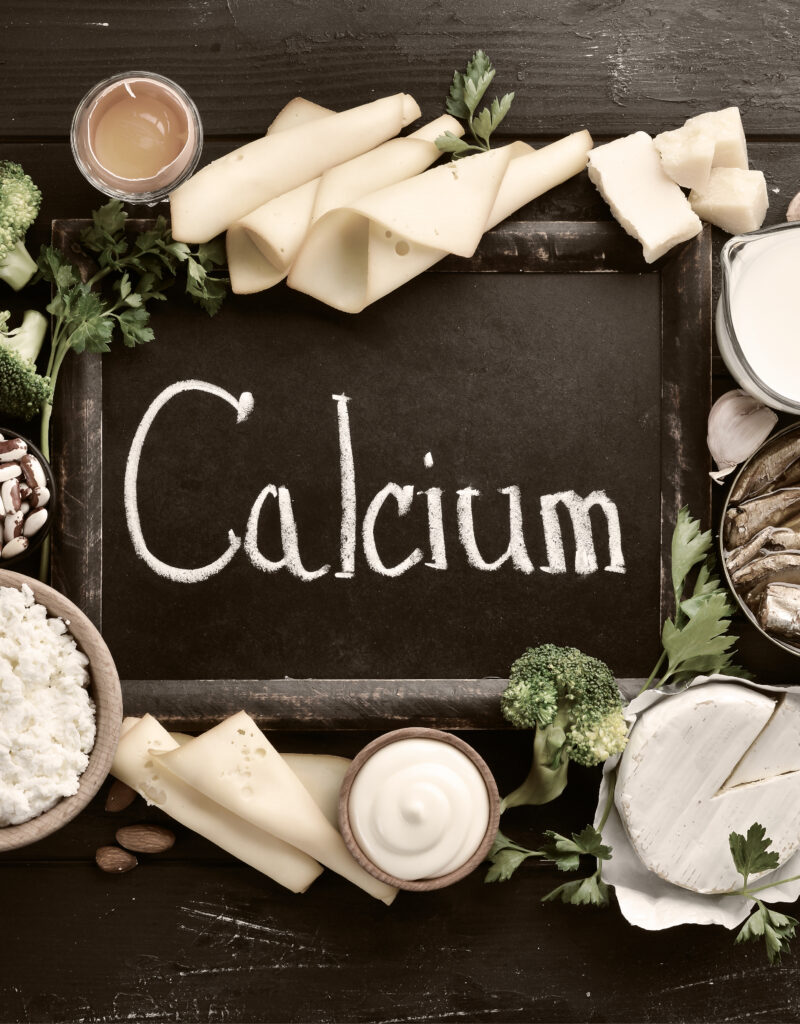
1. Supports Strong Bones and Teeth
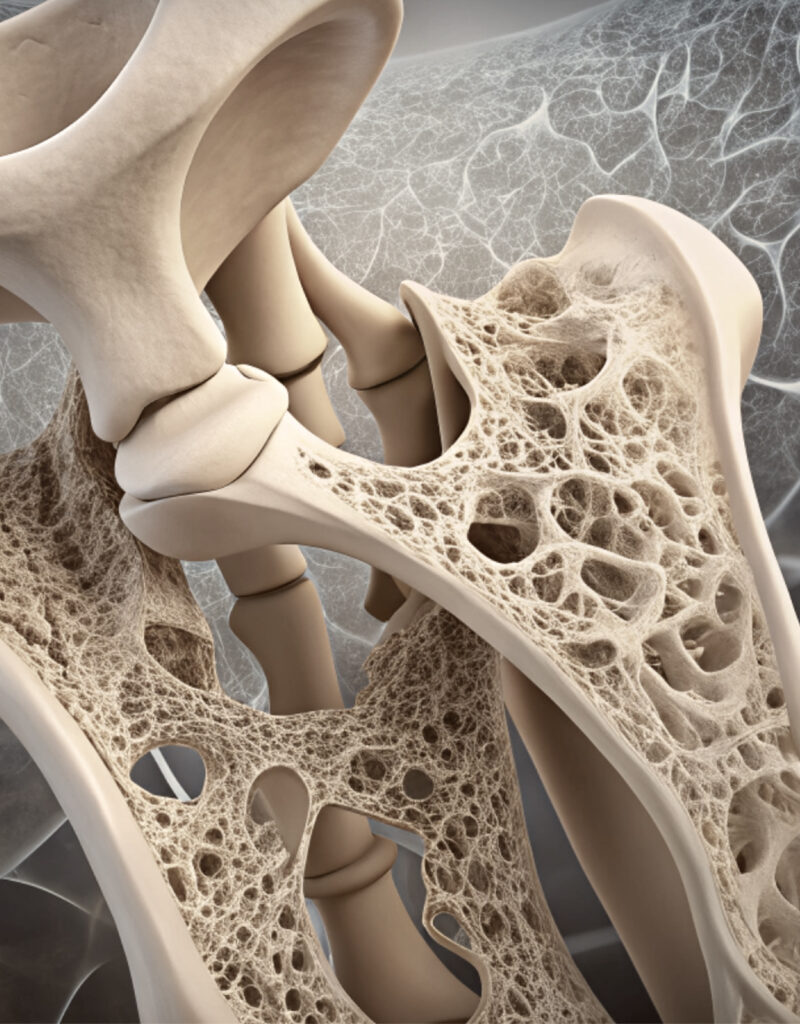
The primary benefit of calcium supplementation is maintaining bone density and strength. Adequate calcium intake helps1:
- Prevent bone loss
- Reduce the risk of osteoporosis and fractures
- Support healthy teeth and jaw structure
This is particularly important for postmenopausal women, older adults, and individuals with low dietary calcium intake.
2. Reduces Risk of Calcium Deficiency
Certain populations may struggle to meet daily calcium needs through diet alone, including:
- Lactose-intolerant individuals
- Vegans or those avoiding dairy
- Elderly individuals with reduced absorption
Calcium supplements help bridge this nutritional gap and prevent deficiency-related complications.
3. Supports Muscle Function
Calcium plays a vital role in muscle contraction and relaxation. Adequate levels help3:
- Maintain normal muscle function
- Reduce the risk of muscle cramps and spasms
- Support physical performance and mobility
This is beneficial for both active individuals and older adults.
4. Aids Nerve Transmission and Heart Health
Calcium is involved in:
- Transmission of nerve impulses
- Regulation of heart rhythm
- Proper functioning of blood vessels
Maintaining optimal calcium levels supports overall neuromuscular and cardiovascular health.
5. Beneficial During High-Demand Life Stages
Calcium supplementation is often recommended during:
- Pregnancy and lactation to support fetal and maternal bone health5
- Adolescence for peak bone mass development6
- Post menopause to slow bone loss due to hormonal changes
6. Works Synergistically with Vitamin D
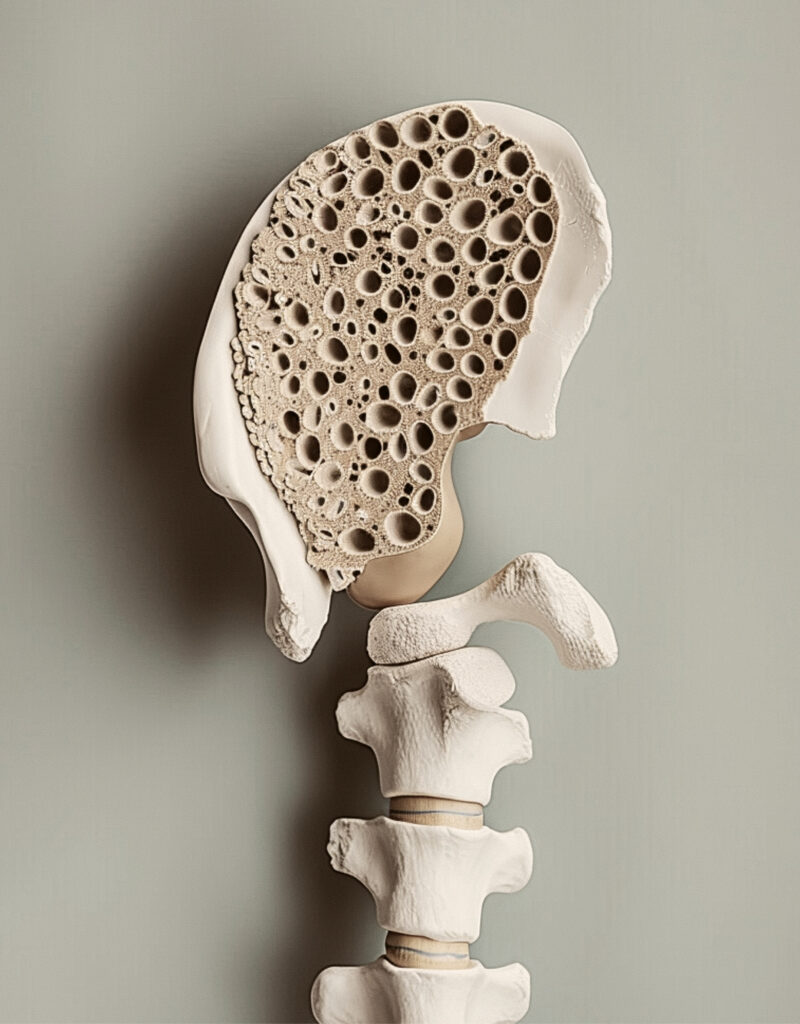
Calcium supplements are most effective when combined with vitamin D, which enhances calcium absorption and utilization. This combination supports long-term skeletal health and reduces fracture risk.
7. Convenient and Consistent Intake
Supplements offer a reliable and convenient way to ensure consistent calcium intake, especially for individuals with busy lifestyles or limited food choices.
Final Thoughts
Calcium supplements can be a safe and effective way to support bone health, muscle function, and overall well-being when dietary intake is inadequate. However, supplementation should be tailored to individual needs, and excessive intake should be avoided. Consulting a healthcare professional ensures the right dose and optimal benefit.
Strong bones today build a healthier tomorrow!
Reference
- Krall EA, Wehler C, Garcia RI, Harris SS, Dawson-Hughes B. Calcium and vitamin D supplements reduce tooth loss in the elderly. The American journal of medicine. 2001 Oct 15;111(6):452-6.
- Shin CS, Kim KM. The risks and benefits of calcium supplementation. Endocrinology and Metabolism. 2015 Mar 27;30(1):27.
- Pfeifer M, Begerow B, Minne HW, Suppan K, Fahrleitner-Pammer A, Dobnig H. Effects of a long-term vitamin D and calcium supplementation on falls and parameters of muscle function in community-dwelling older individuals. Osteoporosis International. 2009 Feb;20(2):315-22.
- Pravina P, Sayaji D, Avinash M. Calcium and its role in human body. International Journal of Research in Pharmaceutical and Biomedical Sciences. 2013 Apr;4(2):659-68.
- Thomas M, Weisman SM. Calcium supplementation during pregnancy and lactation: effects on the mother and the fetus. American journal of obstetrics and gynecology. 2006 Apr 1;194(4):937-45.
- Matkovic V. Calcium and peak bone mass. Journal of internal medicine. 1992 Feb;231(2):151-60.
- Reid IR, Ames RW, Evans MC, Gamble GD, Sharpe SJ. Effect of calcium supplementation on bone loss in postmenopausal women. New England Journal of Medicine. 1993 Feb 18;328(7):460-4.
- Jackson RD, LaCroix AZ, Gass M, Wallace RB, Robbins J, Lewis CE, Bassford T, Beresford SA, Black HR, Blanchette P, Bonds DE. Calcium plus vitamin D supplementation and the risk of fractures. New England Journal of Medicine. 2006 Feb 16;354(7):669-83.