
Why Calcium Matters
- After menopause, estrogen drops, leading to rapid bone loss.
- Calcium keeps bones dense, strong, and flexible.
- Helps prevent osteoporosis, joint pain, and frequent fractures.
- Supports heart rhythm, nerve function, and muscle strength.
- Helps maintain teeth health and prevent brittle nails.
Did You Know?
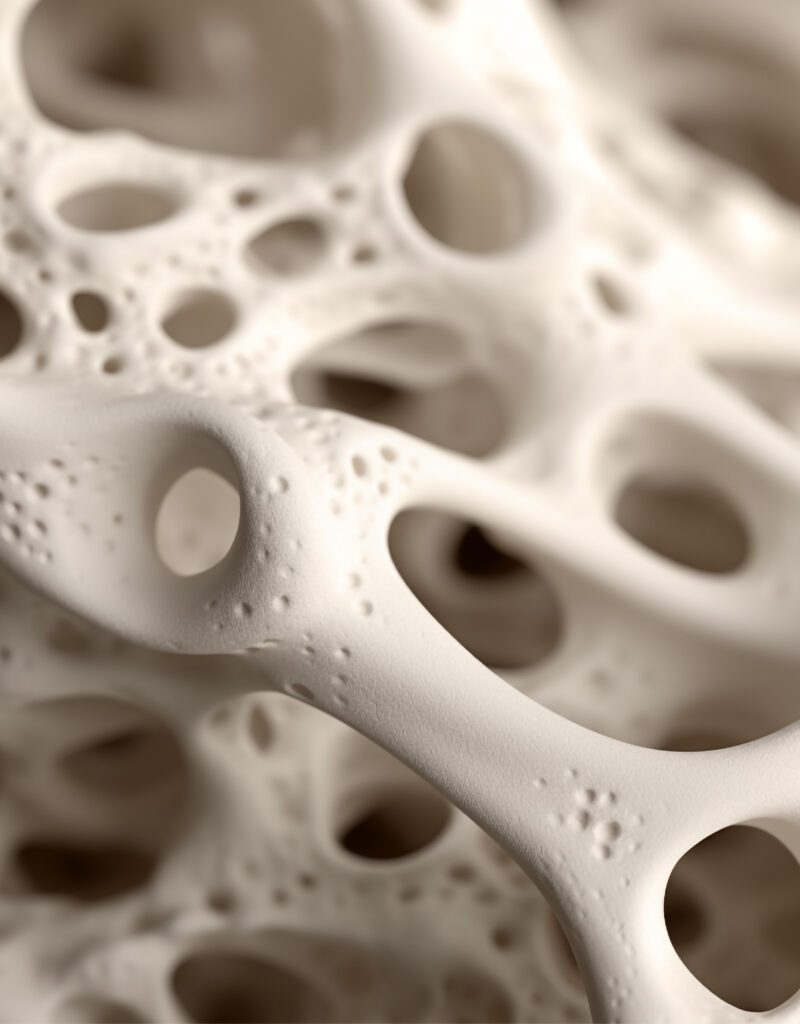
- Women can lose up to 20% of bone density in the first 5–7 years after menopause!
- Caffeine, alcohol, and smoking reduce calcium absorption.
- Stress hormones (like cortisol) can also weaken bones over time.
- Certain medicines (like steroids or thyroid drugs) may increase calcium loss — discuss with your doctor.
Daily Calcium Requirement
Around 1,200 mg/day for postmenopausal women10.
Best Sources of Calcium
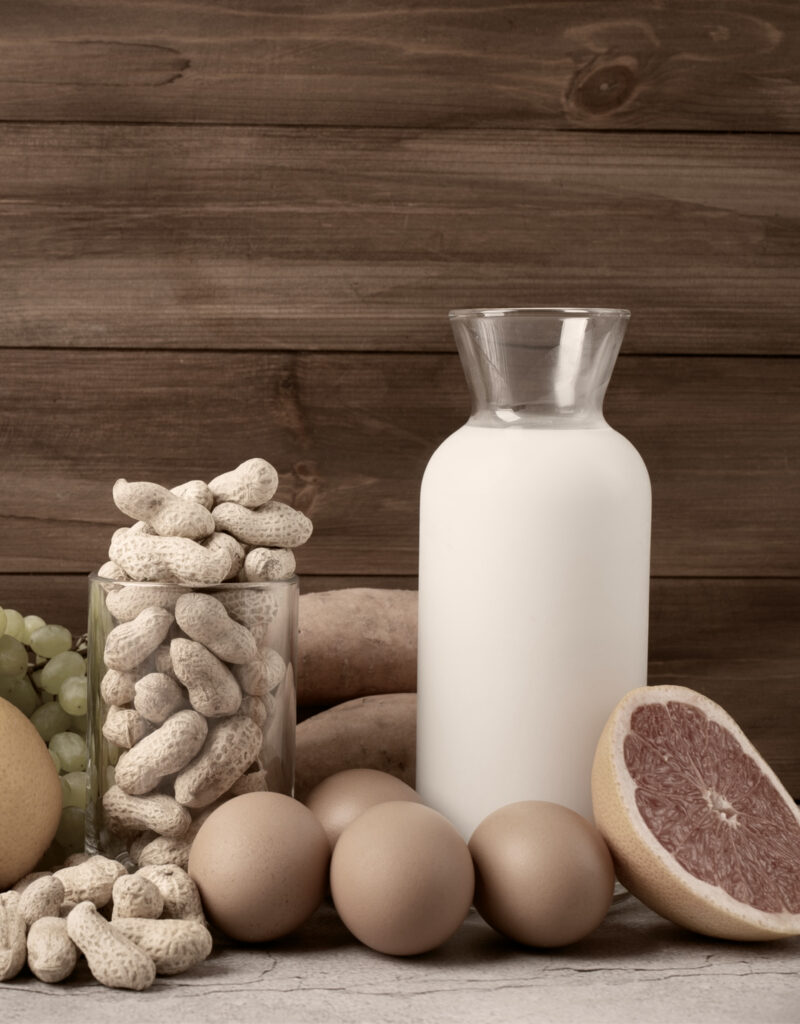
- Dairy: milk, curd, paneer, cheese
- Plant-based: ragi, sesame seeds, almonds, tofu
- Leafy greens: kale, spinach, broccoli
- Fortified foods: orange juice, cereals, soy milk
- Fish with soft bones: sardines, salmon
Vitamin D – The Calcium Partner
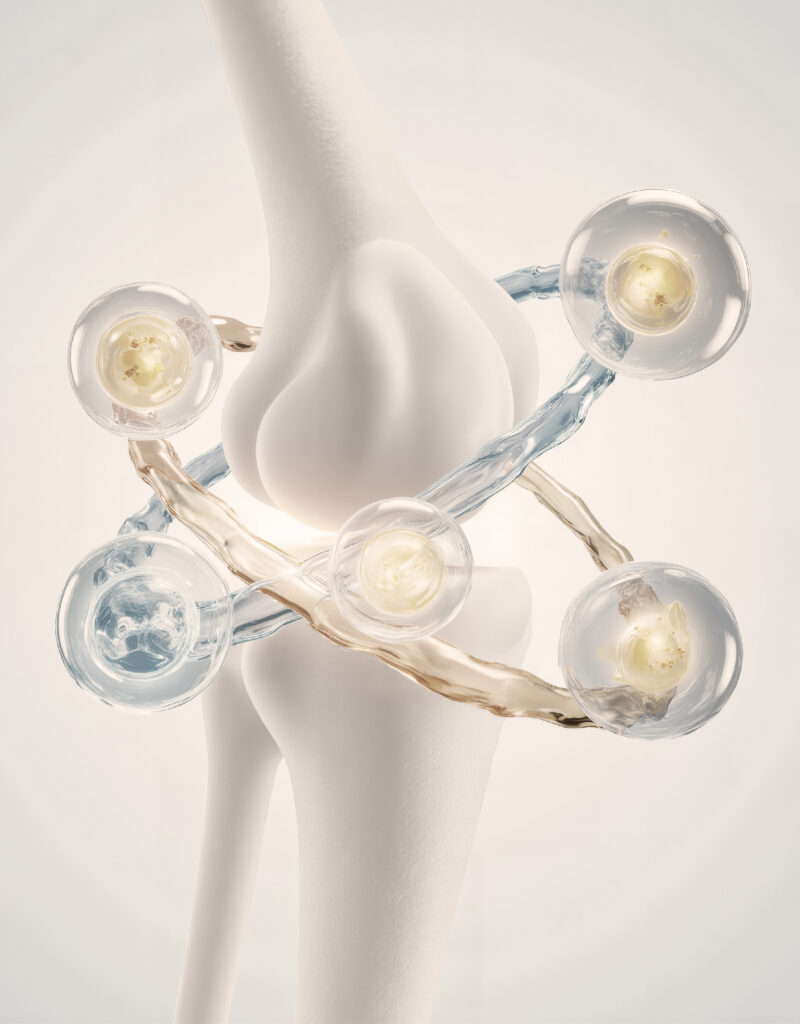
Needed for calcium absorption.
Get 15–20 minutes of sunlight daily or take supplements as advised.
Lifestyle Tips for Bone Health
- Include weight-bearing exercises (walking, jogging, yoga).
- Maintain a balanced diet rich in protein, magnesium, and vitamin K.
- Limit salt, soft drinks, and processed foods.
- Do regular bone density scans (DEXA test) after 45 years.
- Keep a check on posture — poor posture increases fracture risk.
When to Consider Supplements
- If dietary intake is low, take calcium carbonate or calcium citrate (as prescribed).
- Always take supplements after meals for better absorption.
Key Takeaway
Calcium isn’t just about strong bones — it’s about staying active, confident, and independent in the golden years.
Healthy bones today mean graceful aging tomorrow!
References
- Heaney, R. P. Estrogen-calcium interactions in the postmenopause: a quantitative description. Bone Miner 11, 67–84 (1990).
- Kerksick, C. M. et al. Differential Impact of Calcium and Vitamin D on Body Composition Changes in Post-Menopausal Women Following a Restricted Energy Diet and Exercise Program. Nutrients 12, 713 (2020).
- Yong, E. & Logan, S. Menopausal osteoporosis: screening, prevention and treatment. Singapore Med J 62, 159–166 (2021).
- Agostini, D. et al. Muscle and Bone Health in Postmenopausal Women: Role of Protein and Vitamin D Supplementation Combined with Exercise Training. Nutrients 10, 1103 (2018).
- Ohgitani, S., Fujita, T., Fujii, Y., Hayashi, C. & Nishio, H. Nail calcium and magnesium content in relation to age and bone mineral density. J Bone Miner Metab 23, 318–322 (2005).
- Robitaille, J. et al. Prevalence, Family History, and Prevention of Reported Osteoporosis in U.S. Women. Am J Prev Med 35, 47–54 (2008).
- Camacho, P. M. et al. American Association of Clinical Endocrinologists/American College of Endocrinology Clinical Practice Guidelines for the Diagnosis and Treatment of Postmenopausal Osteoporosis—2020 Update. Endocrine Practice 26, 1–46 (2020).
- Osella, G. et al. Cortisol secretion, bone health, and bone loss: a cross-sectional and prospective study in normal nonosteoporotic women in the early postmenopausal period. Eur J Endocrinol 166, 855–860 (2012).
- Tannirandorn, P. & Epstein, S. Drug-Induced Bone Loss. Osteoporosis International 11, 637–659 (2000).
- The role of calcium in peri- and postmenopausal women. Menopause 13, 862–877 (2006).