
When we talk about calcium, many people think it’s mainly for women—but men need it just as much. From building strong bones in childhood to preventing osteoporosis later in life, calcium is essential at every age. It supports bone strength, muscle function, and overall performance.
Here’s why calcium matters for men and how they can maintain healthy bones throughout life.
Why Men Need Calcium
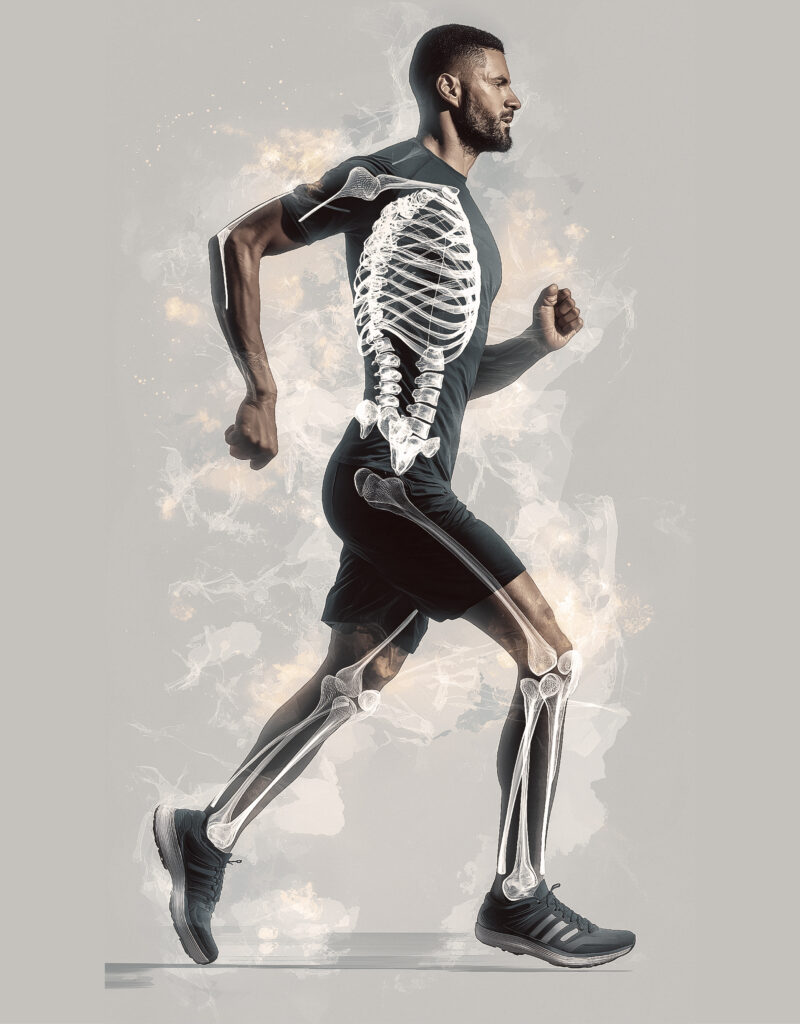
- Builds Strong Bones from Childhood
Calcium is the key mineral for growing bones1.
In boys, rapid bone growth occurs during teenage years, and getting enough calcium helps build peak bone mass2. - Maintains Bone Strength in Adulthood
After age 30, bone density naturally starts to decline in both men and women1.
Adequate calcium helps slow this loss and keeps bones strong3.
3. Prevents Osteoporosis—Yes, Men Can Get It Too
While osteoporosis is more common in women, men are not immune.
Men over 70 are at high risk due to4,5:
- Low calcium intake
- Lower vitamin D levels
- Sedentary lifestyle
- Smoking & alcohol
Calcium supports bone density and reduces fracture risk.
4. Supports Muscle and Nerve Function
Calcium helps muscles contract and ensures nerves send signals properly.
This is crucial for strength training, sports performance, and daily activities6.
5. Heart Health
Calcium helps maintain normal heart rhythm and blood pressure7.
Calcium Needs at Different Ages
The amount of Calcium needed varies depending on age
- Boys 9–18 years: 1300 mg/day
- Men 19–50 years: 1000 mg/day
- Men 50–70 years: 1000 mg/day
- Men 70+ years: 1200 mg/day
Men also need 600–800 IU of Vitamin D daily for proper calcium absorption.
Best Sources of Calcium for Men
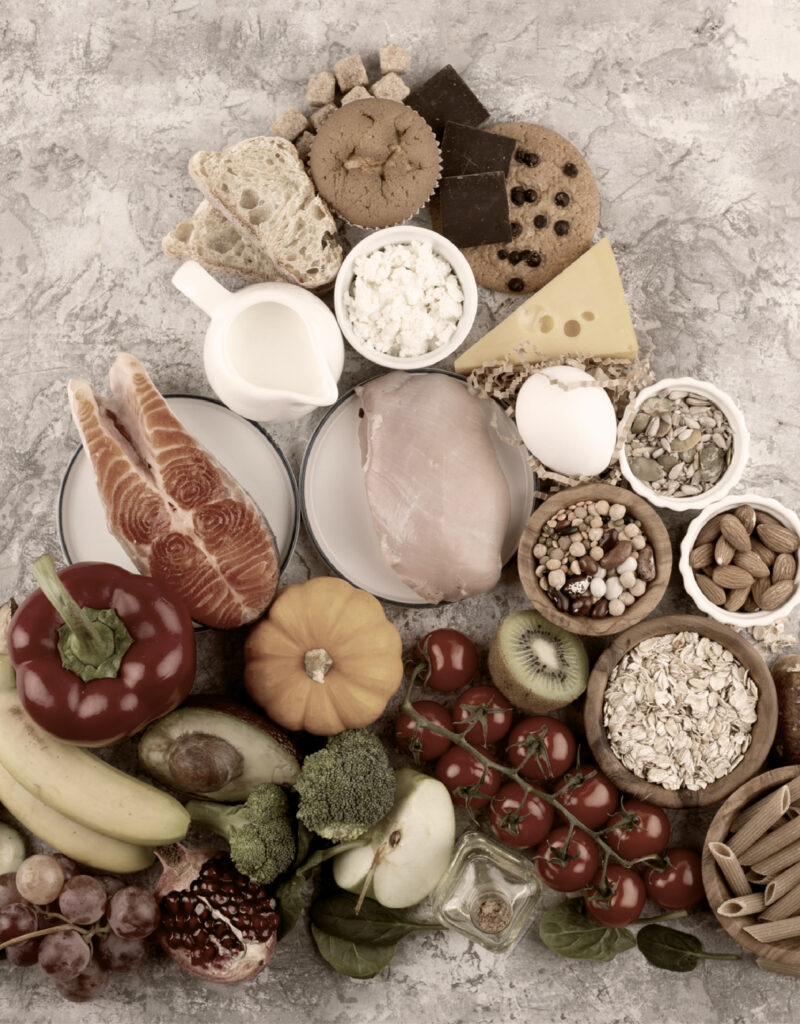
Foods
- Milk, curd, paneer
- Ragi, bajra
- Almonds, sesame seeds
- Spinach, kale, broccoli
- Tofu, soymilk
- Sardines, salmon with bones
- Fortified cereals and juices
Supplements
(If dietary intake is low)
- Calcium carbonate
- Calcium citrate
Seek medical advice before starting supplements.
Lifestyle Factors That Impact Men’s Bone Health
1. Exercise
Weight-bearing exercises such as:
- Running
- Hiking
- Strength training
- Jumping exercises help improve bone density.
2. Avoid high-risk habits
- Smoking weakens bones.
- Excess alcohol reduces calcium absorption.
- Too much caffeine increases calcium loss.
3. Maintain healthy hormone levels
- Low testosterone can lead to bone loss in aging men.
- Regular checkups are important, especially after age 50.
4. Maintain adequate protein intake
Protein helps maintain muscle mass → supports strong bones.
Calcium + Vitamin D: A Must-Have Combo
Even high calcium intake won’t help if vitamin D levels are low.
Vitamin D improves calcium absorption and bone strength.
Get 10–20 minutes of sunlight daily and include vitamin D-rich foods13.
When Men Should Check Bone Health?
Men should consider a DEXA scan if they:
- Are over 50
- Have a history of fractures
- Have low testosterone
- Take steroids long-term
- Smoke or drink heavily
- Have chronic diseases affecting bones
Key Takeaway
Calcium isn’t just for women—it’s essential for every man, at every age.
From building strong bones in youth to preventing fractures in older age, calcium helps men stay strong, active, and healthy.
Choosing calcium-rich foods, getting enough vitamin D, exercising regularly, and dropping harmful habits can protect bone health for life.
References
- Zhu, K. & Prince, R. L. Calcium and bone. Clin Biochem 45, 936–942 (2012).
- Weaver, C. M. Adolescence The Period of Dramatic Bone Growth. Endocrine 17, 43–48 (2002).
- Russo, C. R. et al. Aging bone in men and women: beyond changes in bone mineral density. Osteoporosis International 14, 531–538 (2003).
- Finkelstein, J. S. (n.d.). Treatment of osteoporosis in men. In UpToDate (R. F. Connor, Ed.). Wolters Kluwer. Retrieved November 18, 2025, from https://www.uptodate.com/contents/treatment-of-osteoporosis-in-men
- Finkelstein, J. S., & Yu, E. W. (n.d.). Clinical manifestations, diagnosis, and evaluation of osteoporosis in men. In C. J. Rosen (Ed.), UpToDate. Retrieved November 18, 2025, from https://www.uptodate.com/contents/clinical-manifestations-diagnosis-and-evaluation-of-osteoporosis-in-men
- Berchtold, M. W., Brinkmeier, H. & Müntener, M. Calcium Ion in Skeletal Muscle: Its Crucial Role for Muscle Function, Plasticity, and Disease. Physiol Rev 80, 1215–1265 (2000).
- Villa-Etchegoyen, C., Lombarte, M., Matamoros, N., Belizán, J. M. & Cormick, G. Mechanisms Involved in the Relationship between Low Calcium Intake and High Blood Pressure. Nutrients 11, 1112 (2019).
- Institute of Medicine (US) Committee to Review Dietary Reference Intakes for Vitamin D and Calcium. Dietary Reference Intakes for Calcium and Vitamin D: Report Brief. Washington (DC): National Academies Press; 2010.
- U.S. Department of Health and Human Services. (n.d.). Office of dietary supplements – calcium. NIH Office of Dietary Supplements. Retrieved March 28, 2023, from https://ods.od.nih.gov/factsheets/Calcium-HealthProfessional/
- Canada, H. (2006, June 29). Government of Canada. Canada.ca. Retrieved March 28, 2023, from https://www.canada.ca/en/health-canada/services/food-nutrition/healthy-eating/dietary-reference-intakes/tables/reference-values-elements-dietary-reference-intakes-tables-2005.html
- Arya, A. (2025, January 29). Nine lifestyle factors affecting your bone health. Happiest Health. https://www.happiesthealth.com/articles/muscle-bone/lifestyle-factors-affecting-bone-health
- Mayo Clinic Staff. (2025, September 11). Bone health: Tips to keep your bones healthy. Mayo Clinic. https://www.mayoclinic.org/healthy-lifestyle/adult-health/in-depth/bone-health/art-20045060
- Sahay, M. & Sahay, R. Rickets-vitamin D deficiency and dependency. Indian J Endocrinol Metab 16, 164 (2012).