
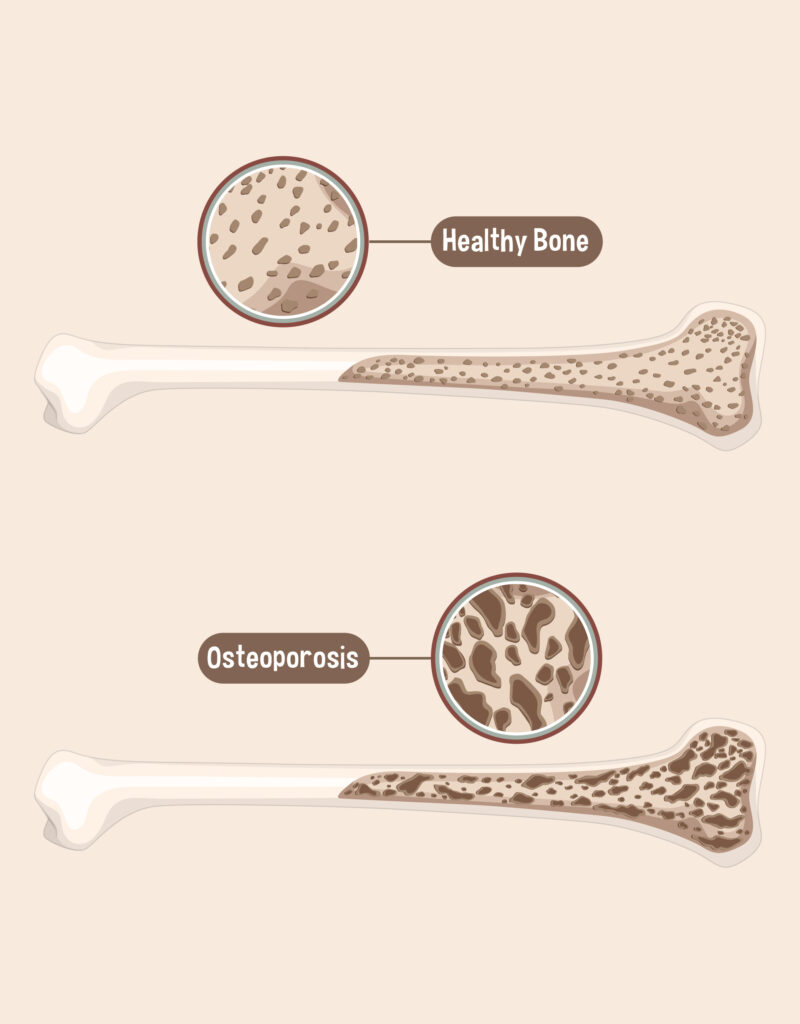
Strong bones are the foundation of a healthy body — and calcium is the key mineral that keeps them strong, dense, and resilient. But as we age, our bone density naturally declines, and without enough calcium, this process accelerates, leading to conditions like osteoporosis(1).
Let’s understand the connection between calcium and bone density, and how you can protect your bones at every stage of life.
What is Bone Density?
Bone density refers to the amount of mineral (mainly calcium and phosphorus) present in your bones.
High bone density means your bones are strong and less likely to fracture, while low bone density indicates bone thinning — a warning sign for osteopenia or osteoporosis.
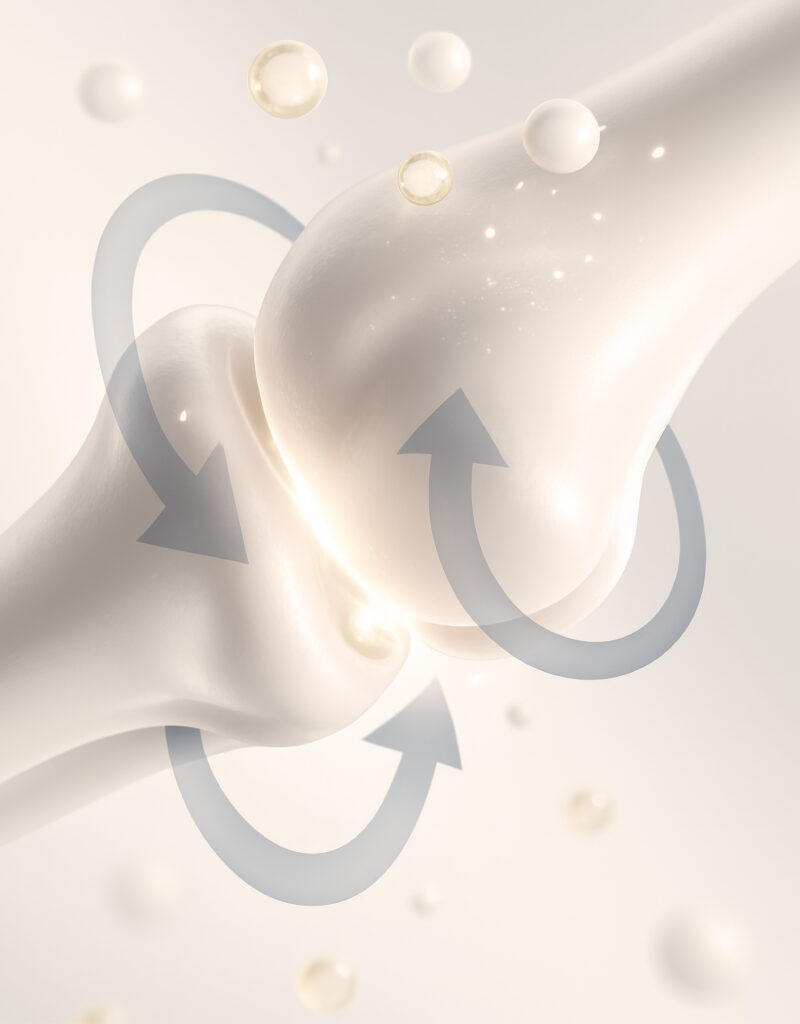
Bones aren’t static structures; they constantly break down and rebuild in a process called bone remodeling. Calcium plays a major role in this cycle, helping repair and strengthen bones daily (2).
Why Calcium is Crucial for Bone Health?
About 99% of the calcium in your body is stored in bones and teeth.
When your blood calcium levels drop, your body pulls calcium from the bones to maintain vital functions like nerve transmission and muscle contraction.
Over time, if you don’t consume enough calcium, this can lead to bone loss and reduced bone density(3).
Calcium:
- Builds and maintains bone structure
- Helps in bone mineralization
- Prevents fractures and bone thinning
Without sufficient calcium intake, bones become porous, weak, and prone to breaks.
How Much Calcium Do You Need?
The daily recommended intake varies by age and gender:
| Age Group | Recommended Calcium (mg/day) |
|---|---|
| Children (9–18 years) | 1300 mg |
| Adults (19–50 years) | 1000 mg |
| Women 50+ / Men 70+ | 1200 mg |
| Pregnant & Lactating Women | 1000–1300 mg |
Adequate vitamin D is equally important, as it helps your body absorb calcium efficiently.
Calcium-Rich Foods to Include:
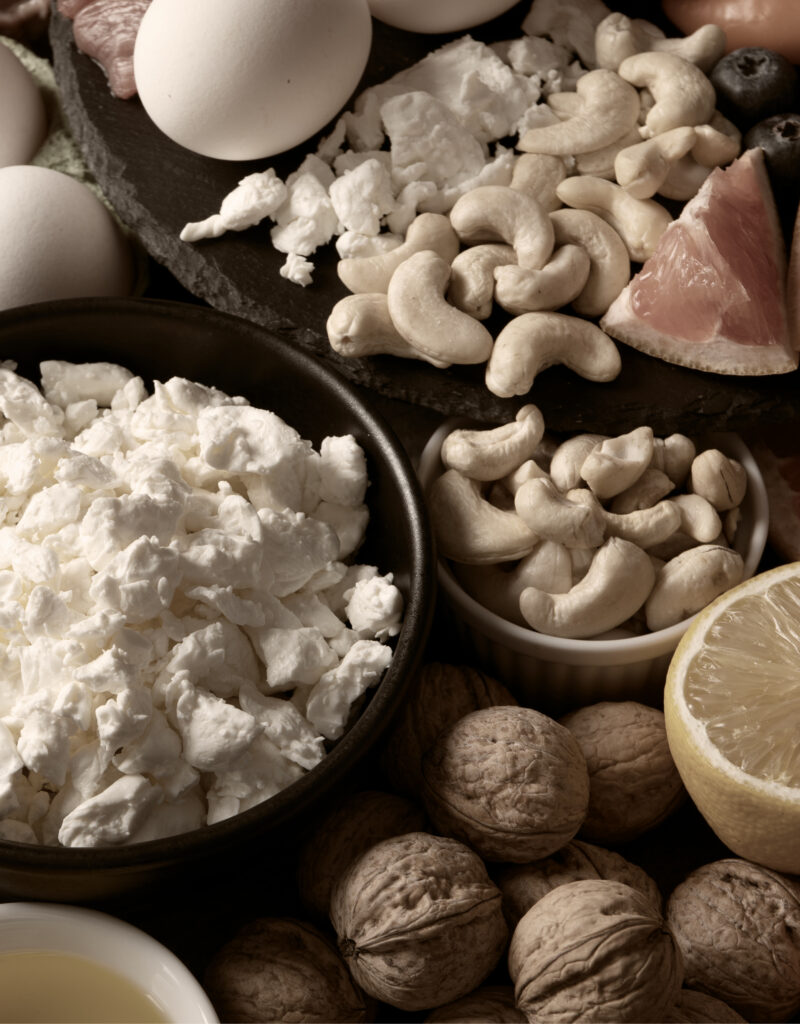
Getting calcium from food is always the best choice. Here are some top sources:
Dairy Products:
- Milk, curd, paneer, and cheese — rich in easily absorbable calcium.
Plant-Based Sources:
- Ragi, tofu, sesame seeds, soy milk, broccoli, kale, and almonds.
Other Sources:
- Sardines, salmon with bones, and fortified cereals.
If your diet falls short, calcium supplements may be used under professional guidance.
Lifestyle Factors That Affect Bone Density:
Maintaining bone strength isn’t only about diet — it’s also about lifestyle choices.
Helps Maintain Bone Density:
- Regular weight-bearing exercises (walking, jogging, strength training)
- Adequate sunlight exposure for vitamin D
- Balanced diet with protein, magnesium, and phosphorus
Weakens Bones Over Time:
- Smoking and alcohol consumption
- Excess caffeine and soft drinks
- Sedentary lifestyle
Final Thoughts
Calcium isn’t just a mineral — it’s the cornerstone of lifelong bone health. Start young, eat right, and stay active to build a strong bone bank that supports you as you age.
Remember, bones may seem silent, but they speak loudly when ignored. So, make calcium your daily habit — your future self will thank you for it!
1. Cashman, K. D. (2002). Calcium intake, calcium bioavailability and bone health. British Journal of Nutrition, 87(S2), S169–S177. https://doi.org/10.1079/BJN/2002534
2. Chugh, T., Jain, A. K., Jaiswal, R. K., Mehrotra, P., & Mehrotra, R. (2013). Bone density and its importance in orthodontics. Journal of Oral Biology and Craniofacial Research, 3(2), 92–97. https://doi.org/10.1016/j.jobcr.2013.01.001
3. Wang, T. K., Bolland, M. J., Pelt, N. C. van, Horne, A. M., Mason, B. H., Ames, R. W., Grey, A. B., Ruygrok, P. N., Gamble, G. D., & Reid, I. R. (2010). Relationships between vascular calcification, calcium metabolism, bone density, and fractures. Journal of Bone and Mineral Research, 25(12), 2777–2785. https://doi.org/10.1002/jbmr.183